

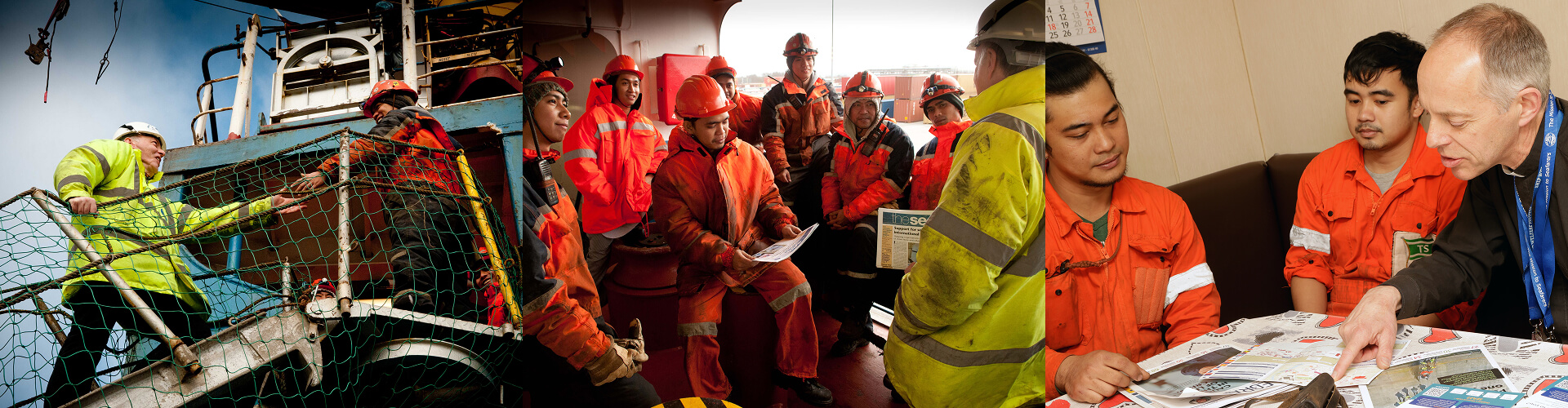
The Chair Role
The Chair’s main role is to provide clear leadership of the board, to set the board agenda and lead the trustees in governing the Mission in accordance with their responsibilities. The Chair ensures the Mission has an agreed strategy with clearly defined priorities, appropriate structures and processes, a productive culture, and has trustees and senior staff who are able to govern well and add value to the charity.
Trustees are responsible for providing appropriate oversight, governance and leadership to the charity in the pursuit of its strategies to fulfil its charitable purposes. Each trustee term lasts for three years and, in normal circumstances, Trustees may be appointed to the Board for a maximum of three consecutive three-year terms or nine consecutive years. Board meetings are normally held in London with a hybrid (online) option available for each meeting when Trustees are unable to attend in person. Meetings normally last about three hours and Trustees are expected to devote sufficient time to prepare for meetings and attend.
Chair Role Description
In addition to those duties and responsibilities performed by all trustees, the Chair takes the lead on:
- Chairing Board meetings in such a manner as to facilitate debate and decision making and ensuring that the business is effectively covered in those meetings.
- Representing the Board as line-manager of the Secretary General, establishing a strong and effective working relationship, supporting the Secretary General in their responsibility for the leadership of the global Mission, providing consistent oversight and advice, and undertaking their annual appraisal.
- Working with other Trustees to ensure that the Mission pursues its charitable object, as defined in its governing document.
- Ensuring that the Mission develops, agrees and implements a long-term strategy consistent with its vision and charitable purpose.
- Placing the Mission’s beneficiaries at the forefront of all debates about strategic direction, budget-setting, planning and other relevant functions.
- Ensuring that the charity complies with its governing document, charity law, company law, any other relevant legislation or regulations and principles of good governance.
- Ensuring the effective and efficient administration of the charity and that appropriate policies and procedures are in place for good governance.
- Ensuring the financial stability of the charity and that the organisation applies its resources exclusively in pursuance of its charitable object.
- Protecting and managing the property of the charity and ensuring the proper investment of the charity’s funds.
- Working with the Secretary General, Chief Operating Officer and Governance & Compliance Manager to plan the annual cycle of Board meetings and set the Agenda for each meeting.
- Chairing the Governance and Nominations Committee, liaising with the Chief Operating Officer and Governance & Compliance Manager regarding the drafting of the agendas and supporting papers and ensuring that the business is covered efficiently and effectively in those meetings.
- Leading the Governance & Nominations Committee in ensuring an effective process of Board governance, review and renewal, and undertaking evaluations of the performance of trustees, facilitating remedial action where required.
- Maintaining the trustees’ commitment to board diversity, renewal and succession planning, in line with the charity’s governing document and/or current good practice.
- Encouraging all trustees to contribute their skills, experience and opinions in order to ensure adequate scrutiny of the charity’s activities.
- Undergoing an individual and board performance appraisal.
- Representing the Mission at events, meetings or functions as appropriate and acting as a spokesperson for the organisation where appropriate.
- Safeguarding the reputation and values of the charity and leading by example.
- Participating in any board induction, training and evaluation identified as an individual trustee and as part of the board or committee.
With their agreement, the Chair may delegate specific responsibilities to one or more Vice Chairs, depending on their individual areas of expertise.
In addition to the above duties, each Trustee is expected to use any specific skills, knowledge or experience they have to help the board of trustees reach sound decisions. This may involve scrutinising board papers, leading discussions, focusing on key issues, providing advice and guidance on new initiatives, or other issues in which the Trustee has special expertise. The position of Trustee is voluntary but reasonable expenses will be reimbursed by The Mission.